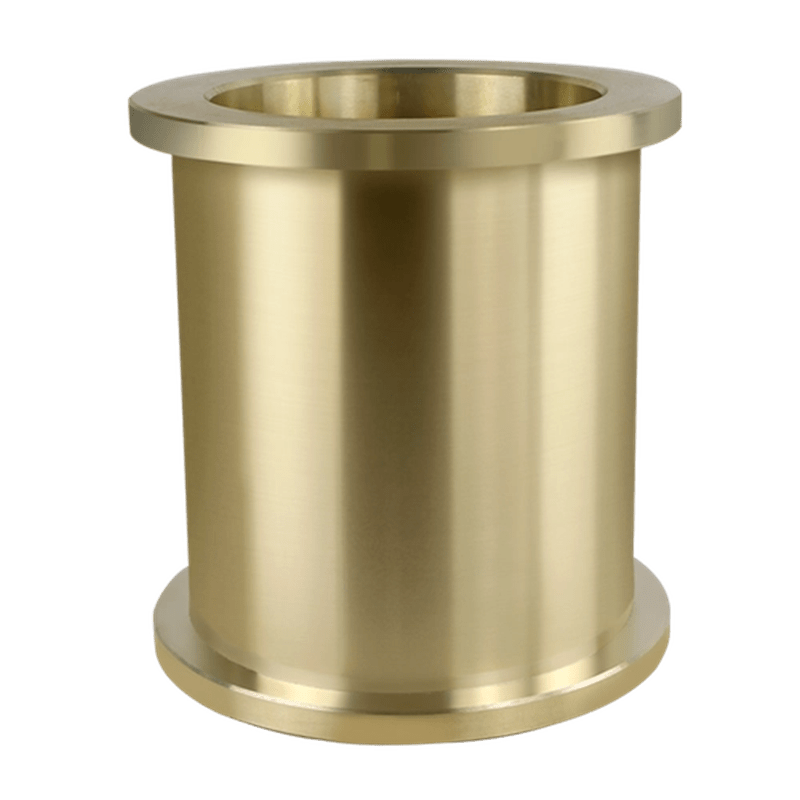
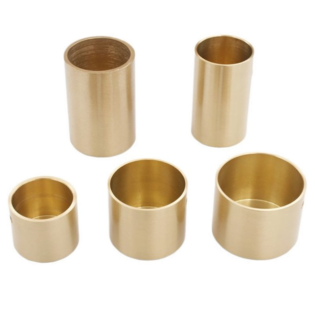
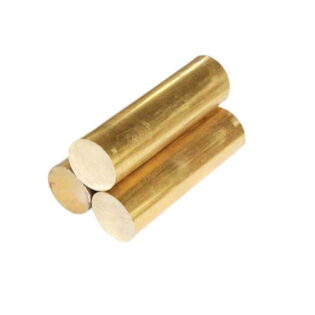
AMS 4880-C95510 Nickel Aluminium Bronze Pengenalan Produk
Komposisi Kimia
| unsur | Peratusan (%) | Peranan dalam Aloi |
|---|
| Cu | 78.00 min | Konstituen utama, menyediakan struktur dan sifat asas |
| Sn | 0.20 maks | Meningkatkan rintangan kakisan dan kekuatan |
| Zn | 0.30 maks | Meningkatkan kekuatan dan bertindak sebagai penyahoksida |
| Fe | 2.00-3.50 | Memperhalusi struktur bijirin dan meningkatkan kekuatan |
| Dalam | 4.50-5.50 | Meningkatkan rintangan kakisan dan sifat mekanikal |
| Al | 9.70-10.90 | Membentuk sebatian antara logam, meningkatkan kekuatan dan rintangan haus |
| Mn | 1.50 maks | Meningkatkan kekuatan dan menyahoksida aloi |
Nota: Cu + jumlah unsur bernama, 99.8% min. Nilai Ni termasuk Co. Melainkan dinyatakan sebaliknya, nilai tunggal mewakili maksimum.
Sifat Mekanikal
| Harta benda | Tuangan <4.0, Dirawat Haba | Tuangan 4.0+, Dirawat Haba |
|---|
| Kekuatan tegangan, min | 105.0 ksi (724 MPa) | 95.0 ksi (655 MPa) |
| Kekuatan hasil (0.2% Offset), min | 62.5 ksi (431 MPa) | 56.0 ksi (386 MPa) |
| Pemanjangan dalam 4D, min | 9% | 9% |
| Kekerasan Brinell | 192 hingga 248 BHN | 192 hingga 248 BHN |
Prestasi pada Suhu Berbeza
| Julat Suhu | Ciri-ciri Prestasi |
|---|
| Suhu Rendah (-50°C hingga 0°C) | Mengekalkan kemuluran dan keliatan yang baik |
| Suhu Bilik (20°C hingga 25°C) | Keseimbangan optimum kekuatan dan kemuluran |
| Suhu Sederhana (100°C hingga 200°C) | Mengekalkan kekerasan yang baik dan rintangan haus |
| Suhu Ditingkatkan (200°C hingga 300°C) | Pengurangan sedikit dalam kekuatan, tetapi mengekalkan rintangan kakisan yang baik |
| Suhu Tinggi (300°C hingga 400°C) | Mengurangkan sifat mekanikal, tetapi masih boleh digunakan dalam beberapa aplikasi |
Aplikasi Industri
| Sektor Industri | Aplikasi Khusus |
|---|
| Aeroangkasa | Sendal gear pendaratan, galas dalam struktur pesawat |
| Marin | Kipas, pendesak pam, komponen injap dalam sistem air laut |
| Minyak dan Gas | Komponen platform luar pesisir, peralatan dasar laut |
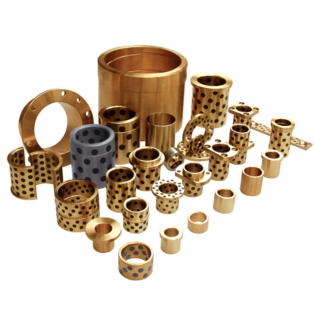
| Automotif | Sesendal dalam sistem suspensi, komponen kotak gear |
| Jentera Perindustrian | Pakai plat, sesendal dalam jentera berat |
| perlombongan | Komponen pam, bahagian sistem penghantar |
| Penjanaan Kuasa | Komponen turbin, tempat duduk injap dalam loji kuasa |
Ketersediaan Bentuk dan Saiz
| Borang | Julat Saiz | Nota |
|---|
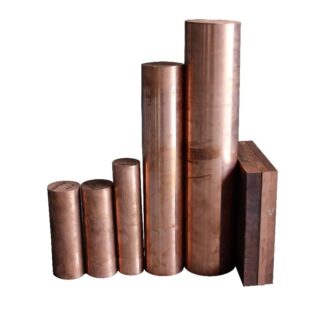
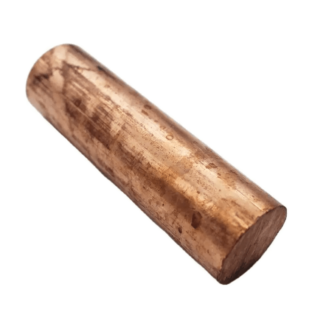
| pepejal | 1/2″ hingga 9″ O.D. | – |
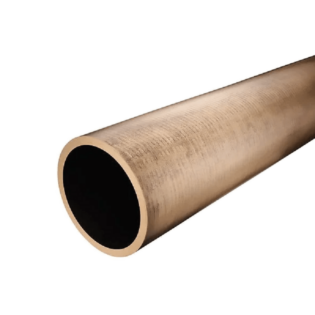
| tiub | 1 1/8″ hingga 13″ O.D. | Rujuk kilang untuk ketebalan dinding |
| segi empat tepat | Sehingga 15″ | – |
| Panjang standard | 24″ | Rujuk kilang untuk panjang lain |
| Stok Bar | Pelbagai diameter | Terdapat dalam bentuk bulat, heksagon dan segi empat sama |
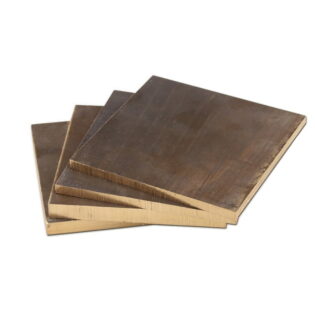
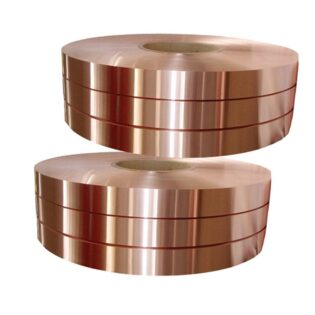
| Pinggan | Sehingga 6″ tebal | Lebar dan panjang berbeza mengikut ketebalan |
| Penempaan | Saiz tersuai | Dibuat mengikut tempahan berdasarkan spesifikasi |
Piawaian Pengeluaran
| Standard | Penerangan |
|---|
| AMS 4880 | Spesifikasi Bahan Aeroangkasa untuk Gangsa Aluminium Nikel |
| ASTM B150 | Spesifikasi Standard untuk Batang Gangsa Aluminium, Bar dan Bentuk |
| ASTM B171 | Spesifikasi Standard untuk Plat dan Lembaran Aloi Kuprum untuk Kapal Tekanan, Pemeluwap dan Penukar Haba |
| SAE J461 | Tiub Penukar Haba Kuprum Tempa dan Aloi Kuprum |
| MIL-B-21230 | Spesifikasi Ketenteraan untuk Gangsa, Aluminium |
Piawaian dan Gred Sepadan di Negara Berbeza
| Negara/Wilayah | Standard/Gred | Jawatan Setara |
|---|
| USA | AMS 4880-C95510 | AS C95510 |
| Eropah | EN 1982-CC333G | CuAl10Ni5Fe4 |
| Jepun | HE H5120-CAC703 | – |
| China | GB/T 5231-QAl9-4 | – |
| Rusia | GOST 493-79 Gred BrA9Zh4N4 | – |
| India | IS 3091 Gred 2 | – |
| Australia | AS 2074-CA953 | – |
Kimpalan, Pemprosesan, Penggilapan, Rawatan Haba, Pemprosesan Sejuk
Kimpalan
| Kaedah Kimpalan | Kesesuaian | Nota |
|---|
| Kimpalan Arka Tungsten Gas (GTAW/TIG) | Cemerlang | Kaedah pilihan untuk kimpalan berkualiti tinggi |
| Kimpalan Arka Logam Gas (GMAW/MIG) | bagus | Sesuai untuk komponen yang lebih besar |
| Kimpalan Arka Logam Terlindung (SMAW) | Adil | Boleh digunakan tetapi tidak diutamakan |
| Kimpalan Rasuk Elektron | Cemerlang | Untuk kimpalan ketepatan dalam aplikasi aeroangkasa |
| Kimpalan Kacau Geseran | bagus | Kaedah baru untuk penyambungan keadaan pepejal |
Memproses
| Kaedah Pemprosesan | Penilaian Kebolehmesinan | Nota |
|---|
| Berpusing | 50 (skala 0-100) | Gunakan alat karbida untuk hasil terbaik |
| Pengilangan | 50 (skala 0-100) | Kelajuan pemotongan sederhana disyorkan |
| Menggerudi | 50 (skala 0-100) | Gunakan gerudi keluli atau karbida berkelajuan tinggi |
| Mengisar | bagus | Sesuai untuk mencapai toleransi yang ketat |
| Pemesinan Nyahcas Elektrik (EDM) | Cemerlang | Untuk bentuk dan profil yang kompleks |
Menggilap
| Kaedah Menggilap | Selesai Boleh Dicapai | Nota |
|---|
| Penggilap Mekanikal | Kemasan cermin | Gunakan bahan pelelas yang lebih halus |
| Penggilap elektro | Kilauan tinggi | Sesuai untuk geometri kompleks |
| meniup | Kilauan tinggi | Langkah terakhir untuk aplikasi hiasan |
Rawatan Haba
| Proses Rawatan Haba | Julat Suhu | Tujuan |
|---|
| Penyepuhlindapan Penyelesaian | 870-900°C | Menghomogenkan struktur mikro |
| Pelindapkejutan | Penyejukan pantas ke suhu bilik | Meningkatkan kekuatan dan kekerasan |
| Penuaan | 350-400°C selama 2-4 jam | Memperbaiki sifat mekanikal |
| Melegakan Tekanan | 350-400°C selama 1-2 jam | Kurangkan tekanan dalaman |
Pemprosesan Sejuk
| Kaedah Pemprosesan Sejuk | Kesan pada Bahan | Aplikasi |
|---|
| Berguling Sejuk | Meningkatkan kekuatan dan kekerasan | Pengeluaran helaian dan jalur |
| Lukisan Sejuk | Meningkatkan kemasan permukaan dan ketepatan dimensi | Pengeluaran wayar dan tiub |
| Penempaan Sejuk | Meningkatkan sifat mekanikal | Komponen bentuk jaring dekat |
Kelebihan dan Kekurangan Bahan
Kelebihan
| Kelebihan | Penerangan |
|---|
| Kekuatan Tinggi | Kekuatan tegangan dan hasil yang sangat baik berbanding dengan banyak aloi tembaga lain |
| Ketahanan Pakai | Rintangan unggul terhadap lelasan dan pedih |
| Rintangan Kakisan | Rintangan yang baik terhadap air laut dan banyak bahan kimia |
| Kekonduksian Terma | Lebih baik daripada keluli tahan karat, sesuai untuk aplikasi pertukaran haba |
| Tidak memercik | Selamat untuk digunakan dalam persekitaran yang mudah meletup |
| Kebolehtelapan Magnet Rendah | Sesuai untuk aplikasi yang memerlukan bahan bukan magnet |
Keburukan
| Keburukan | Penerangan |
|---|
| kos | Lebih mahal daripada aloi tembaga atau keluli yang lebih mudah |
| Berat badan | Lebih berat daripada aloi aluminium, yang mungkin menjadi kebimbangan dalam beberapa aplikasi |
| Pemprosesan Kompleks | Memerlukan kawalan yang teliti semasa penuangan dan rawatan haba |
| Kemuluran Terhad | Kurang mulur daripada kuprum tulen atau beberapa aloi kuprum lain |
| Potensi Keretakan Kakisan Tegasan | Boleh berlaku dalam keadaan persekitaran tertentu |
Produk dan Perbandingan Serupa
Aloi Gangsa Aluminium Nikel yang serupa
| Penetapan Aloi | Komposisi Kimia | Perbezaan Utama |
|---|
| C95800 | Cu-9Al-4Fe-4Ni | Kandungan besi yang lebih tinggi, kekuatan sedikit lebih rendah |
| C95700 | Cu-11Al-3Fe-5Ni | Kandungan aluminium yang lebih tinggi, kekerasan meningkat |
| C95400 | Cu-11Al-4Fe | Tiada nikel, rintangan kakisan yang lebih rendah |
Perbandingan dengan Kelas Bahan Lain
| bahan | Kelebihan berbanding C95510 | Kelemahan berbanding C95510 |
|---|
| Keluli Tahan Karat 316 | Kos yang lebih rendah, ketersediaan yang lebih tinggi | Kekonduksian terma yang lebih rendah, berat yang lebih tinggi |
| Gangsa Aluminium (cth., C95400) | Kos yang lebih rendah, lebih mudah untuk dihantar | Kekuatan yang lebih rendah dan rintangan kakisan |
| Gangsa Fosfor | Kekonduksian elektrik yang lebih baik | Kekuatan yang lebih rendah dan rintangan haus |
| Aloi Titanium | Ketumpatan yang lebih rendah, nisbah kekuatan kepada berat yang lebih tinggi | Kos yang jauh lebih tinggi, lebih sukar untuk dimesin |
Jadual Perbandingan Terperinci
| Harta benda | AMS 4880-C95510 | Keluli Tahan Karat 316 | Gangsa Aluminium C95400 | Titanium Gred 5 (Ti-6Al-4V) |
|---|
| Kekuatan Tegangan (MPa) | 655-724 | 515-690 | 586-758 | 895-930 |
| Kekuatan Hasil (MPa) | 386-431 | 205-310 | 241-379 | 828-910 |
| Pemanjangan (%) | 9 (min) | 40 | 12 | 10-15 |
| Ketumpatan (g/cm³) | 7.64 | 8.00 | 7.45 | 4.43 |
| Kekonduksian Terma (W/m·K) | 42 | 16.3 | 59 | 6.7 |
| Ketahanan Kakisan dalam Air Laut | Cemerlang | Cemerlang | bagus | Cemerlang |
| Kebolehmesinan (skala 0-100) | 50 | 50 | 60 | 30 |
| Kos Relatif | tinggi | Sederhana | Sederhana | Sangat Tinggi |
Sifat dan Ciri Tambahan
| Harta benda | Nilai | Unit |
|---|
| Kerintangan Elektrik | 14.4 | µΩ·cm |
| Kapasiti Haba Tertentu | 0.375 | J/g·°C |
| Julat Lebur | 1030-1060 | °C |
| Modulus Keanjalan | 110-120 | GPa |
| Nisbah Poisson | 0.33 | – |
| Kekuatan Keletihan (10⁷ kitaran) | 207-241 | MPa |
| Kapasiti Redaman | Sederhana | – |
Pertimbangan Alam Sekitar dan Kitar Semula
| Aspek | Penerangan |
|---|
| Kebolehkitar semula | Sangat boleh dikitar semula, boleh dicairkan semula dan digunakan semula |
| Kesan Alam Sekitar | Keperluan tenaga yang lebih rendah untuk kitar semula berbanding pengeluaran utama |
| Ketoksikan | Tidak toksik dalam bentuk pepejal, tetapi habuk dan asap semasa pemprosesan harus dikawal |
| Akhir Hayat | Boleh dikumpul dan dikitar semula melalui aliran kitar semula logam yang telah ditetapkan |
Kaedah Kawalan Kualiti dan Pengujian
| Kaedah Ujian | Tujuan | Standard |
|---|
| Ujian Tegangan | Tentukan kekuatan dan kemuluran | ASTM E8 |
| Ujian Kekerasan | Ukur kekerasan permukaan | ASTM E10 (Brinell) |
| Analisis Kimia | Sahkan komposisi | ASTM E478 |
| Ujian Ultrasonik | Mengesan kecacatan dalaman | ASTM E114 |
| Ujian Radiografi | Periksa keliangan dan kemasukan | ASTM E1742 |
| Ujian Kakisan | Nilaikan rintangan kakisan | ASTM G31 |
Cadangan Penyimpanan dan Pengendalian
| Aspek | Syor |
|---|
| Persekitaran Storan | Kawasan kering dan bersih jauh dari bahan kimia |
| Pengendalian | Gunakan peralatan mengangkat yang sesuai untuk kepingan berat |
| Perlindungan | Sapukan salutan atau balut pelindung untuk mengelakkan kerosakan permukaan |
| Pengurusan Inventori | Gunakan sistem FIFO (Masuk Pertama, Keluar Dahulu) untuk menguruskan stok |
| Langkah-langkah Keselamatan | Pakai PPE yang sesuai semasa mengendalikan, terutamanya semasa pemotongan atau pemesinan |
Masa Utama dan Faktor Harga Biasa
| Faktor | Penerangan |
|---|
| Saiz Stok Standard | Biasanya tersedia dengan masa tunggu 1-2 minggu |
| Saiz/Bentuk Tersuai | Mungkin memerlukan masa pendahuluan 4-8 minggu |
| Kuantiti | Pesanan yang lebih besar mungkin mempunyai masa petunjuk yang lebih lama tetapi harga yang lebih baik |
| Keadaan Pasaran | Harga tembaga dan nikel boleh menjejaskan kos akhir dengan ketara |
| Keperluan Pensijilan | Pensijilan khas boleh meningkatkan masa dan kos pendahuluan |
Kesimpulan
AMS 4880-C95510 Nickel Aluminium Bronze ialah aloi berprestasi tinggi yang menawarkan gabungan kekuatan, rintangan haus dan rintangan kakisan yang sangat baik. Fleksibiliti menjadikannya sesuai untuk pelbagai aplikasi merentasi pelbagai industri, terutamanya dalam persekitaran marin dan aeroangkasa. Walaupun ia mungkin mempunyai kos permulaan yang lebih tinggi berbanding beberapa bahan lain, prestasi jangka panjang dan ketahanannya sering menyebabkan kos kitaran hayat yang lebih rendah untuk komponen kritikal. Keupayaan bahan untuk mengekalkan sifatnya di bawah keadaan operasi yang pelbagai, ditambah pula dengan ciri-cirinya yang tidak berkilau, menjadikannya pilihan pilihan untuk aplikasi kritikal keselamatan. Seperti mana-mana bahan khusus, pertimbangan sewajarnya harus diberikan kepada reka bentuk, pemprosesan dan penyelenggaraan untuk memanfaatkan sepenuhnya keupayaannya dan memastikan prestasi optimum sepanjang hayat perkhidmatannya.