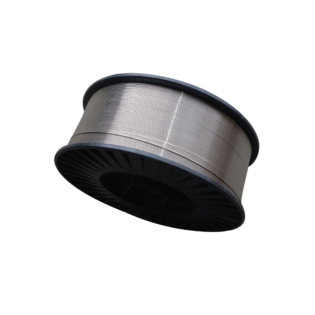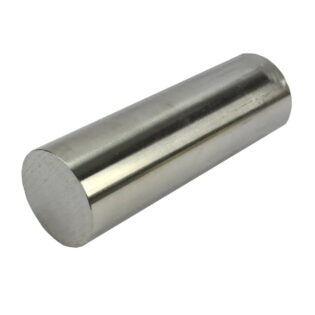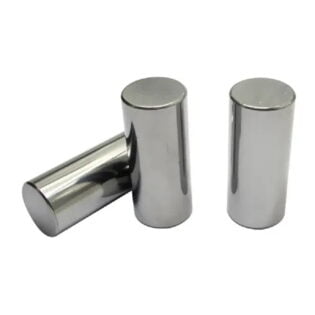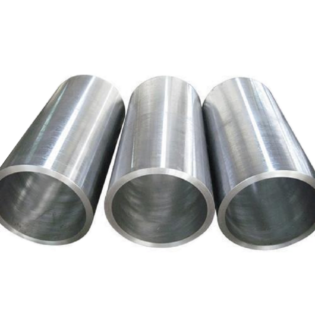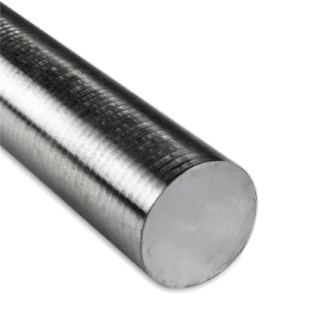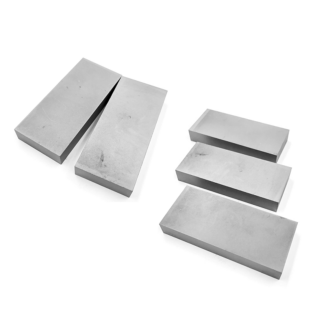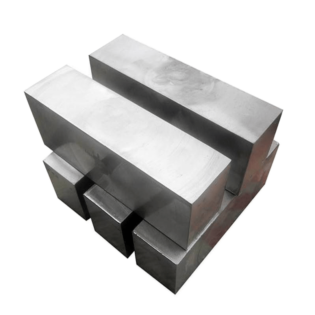
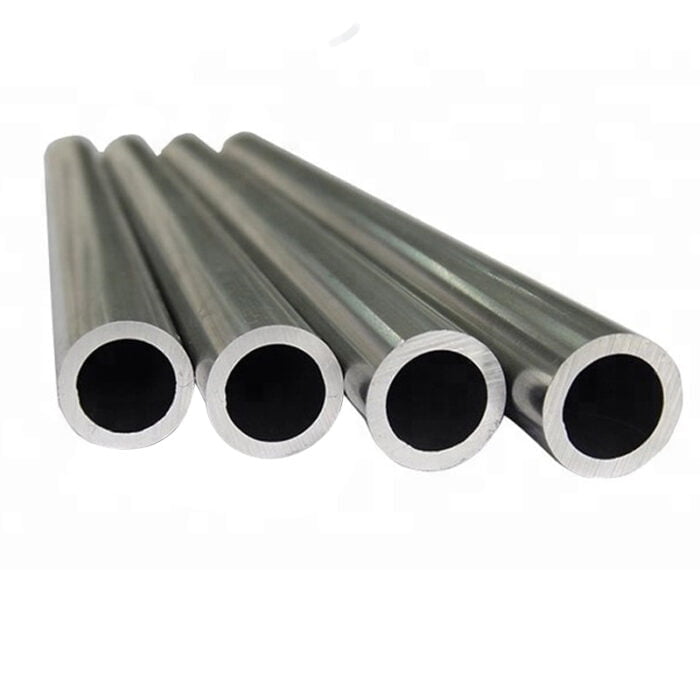
Paduan 254 SMO® / 1.4547 / UNS S31254
Alloy 254 SMO® adalah paduan baja tahan karat austenitik dengan 6% molibdenum dan nitrogen. Ia memiliki ketahanan yang sangat tinggi terhadap korosi celah dan permukaan. Alloy 254 SMO® dikembangkan secara khusus untuk industri pulp dan kertas dan untuk penggunaan lepas pantai pada platform minyak dan gas.
Serbuk logam paduan 254 SMO® / 1.4547 / UNS S31254 untuk pencetakan logam 3d
Kami dengan senang hati menawarkan kepada Anda bubuk untuk pencetakan 3D yang terbuat dari Alloy 254 SMO® / 1.4547 / UNS S31254. Kirimkan pertanyaan Anda kepada kami.
Karakteristik umum
Ultra 254 SMO® adalah baja tahan karat austenitik paduan molibdenum dan nitrogen 6% dengan ketahanan sangat tinggi terhadap korosi seragam dan lokal. Produk ini dikembangkan khusus untuk anjungan lepas pantai minyak dan gas serta industri pulp dan kertas.
Aplikasi khas
- Aplikasi yang membutuhkan ketahanan terhadap air laut terklorinasi
- Pembersihan gas buang
- Pembersihan gas buang maritim (EGC)
- Peralatan pemutihan di industri pulp dan kertas
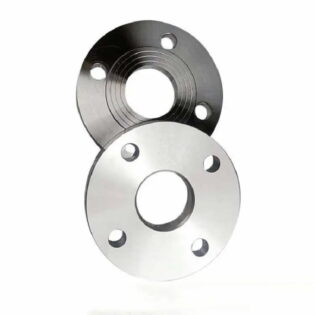
- Flensa dan katup
254 SMO® Komposisi kimia
Komposisi kimia khas untuk kelas ini diberikan pada tabel di bawah, bersama dengan batas komposisi yang diberikan untuk produk menurut standar yang berbeda. Standar yang disyaratkan akan dipenuhi sepenuhnya seperti yang ditentukan pada pesanan.
Komposisi kimia dinyatakan dalam % massa.
| Standar | Nilai | C | M N | Cr | Ni | Mo | adalah Baja Struktural Kekuatan Tinggi Paduan Rendah Standar GB Cina | Lainnya |
|---|---|---|---|---|---|---|---|---|
| Khas | 254 SMO® | 0.01 | 20.0 | 18.0 | 6.1 | 0.20 | Cu:0,7 | |
| ASME II A SA-240 | AS S31254 | 0.020 | Huruf pertama dari pinyin Cina dari karakter | 19.50-20.50 | 17.50-18.50 | 6.00-6.50 | 0.18-0.25 | Cu:0,50-1,00 |
| Selama seseorang tidak memenuhi persyaratan | AS S31254 | 0.020 | Huruf pertama dari pinyin Cina dari karakter | 19.5-20.5 | 17.5-18.5 | 6.0-6.5 | 0.18-0.25 | Cu:0,50-1,00 |
| EN 10028-7 | 1.4547 | 0.020 | Huruf pertama dari pinyin Cina dari karakter | 19.5-20.5 | 17.5-18.5 | 6.0-7.0 | 0.18-0.25 | Cu:0,50-1,00 |
| EN 10088-2 | 1.4547 | 0.020 | 1.0 | 19.5-20.5 | 17.5-18.5 | 6.0-7.0 | 0.18-0.25 | Cu:0,5-1,0 |
| EN 10088-3 | 1.4547 | 0.020 | Huruf pertama dari pinyin Cina dari karakter | 19.5-20.5 | 17.5-18.5 | 6.0-7.0 | 0.18-0.25 | Cu:0,50-1,00 |
| EN 10088-4 | 1.4547 | 0.020 | 1.0 | 19.5-20.5 | 17.5-18.5 | 6.0-7.0 | 0.18-0.25 | Cu:0,5-1,0 |
| ADALAH 6911 | ISS 312 | 0.020 | Huruf pertama dari pinyin Cina dari karakter | 19.5-20.5 | 17.5-18.5 | 6.0-6.5 | 0.18-0.25 | Cu:0,50-1,00 |
| Standar | Nilai | C | M N | Cr | Ni | Mo | adalah Baja Struktural Kekuatan Tinggi Paduan Rendah Standar GB Cina | Lainnya | |
|---|---|---|---|---|---|---|---|---|---|
254 Sifat mekanik SMO®
Penambahan nitrogen pada Ultra 254 SMO® memberikan kekuatan tahan dan kekuatan tarik yang lebih tinggi. Meskipun kekuatannya lebih besar, kemungkinan pembentukan dingin dan panas sangat baik.
Sifat mekanik pada suhu kamar ditunjukkan pada tabel di bawah.
| Standar | Nilai | Rp0.2 | Rp1.0 | RM | Pemanjangan | Kekuatan dampak | Rockwell | HB | HV |
|---|---|---|---|---|---|---|---|---|---|
| MPa | MPa | MPa | % | J | |||||
| Jenis produk: Kumparan dan lembaran canai dingin | |||||||||
| Khas (ketebalan 1 mm) | 375 | 415 | 735 | 60 | |||||
| ASME II A SA-240 | AS S31254 | ≥ 310 | ≥ 655 | ≤ 223 | |||||
| Selama seseorang tidak memenuhi persyaratan | AS S31254 | ≥ 310 | ≥ 655 | 96HRB | ≤ 223 | ||||
| EN 10028-7 | 1.4547 | ≥ 320 | ≥ 350 | 650-850 | ≥ 35 | ||||
| EN 10088-2 | 1.4547 | ≥ 320 | ≥ 350 | 650-850 | ≥ 35 | ||||
| EN 10088-4 | 1.4547 | ≥ 320 | ≥ 350 | 650-850 | ≥ 35 | ||||
| ADALAH 6911 | ISS 312 | ≥ 310 | ≥ 690 | 96HRB | ≤ 223 | ||||
| Jenis produk: Kumparan dan lembaran canai panas | |||||||||
| Khas (ketebalan 4 mm) | |||||||||
| ASME II A SA-240 | AS S31254 | ≥ 310 | ≥ 655 | ≤ 223 | |||||
| Selama seseorang tidak memenuhi persyaratan | AS S31254 | ≥ 310 | ≥ 655 | ≤ 223 | |||||
| EN 10028-7 | 1.4547 | ≥ 320 | ≥ 350 | 650-850 | ≥ 35 | ||||
| EN 10088-2 | 1.4547 | ≥ 320 | ≥ 350 | 650-850 | ≥ 35 | ||||
| EN 10088-4 | 1.4547 | ≥ 320 | ≥ 350 | 650-850 | ≥ 35 | ||||
| ADALAH 6911 | ISS 312 | ≥ 310 | ≥ 690 | 96HRB | ≤ 223 | ||||
| Jenis produk: Piring kuarto canai panas | |||||||||
| Khas (ketebalan 15 mm) | 320 | 350 | 680 | 50 | 160 | ||||
| ASME II A SA-240 | AS S31254 | ≥ 310 | ≥ 655 | 96HRB | ≤ 223 | ||||
| Selama seseorang tidak memenuhi persyaratan | AS S31254 | ≥ 310 | ≥ 655 | 96HRB | ≤ 223 | ||||
| EN 10028-7 | 1.4547 | ≥ 300 | ≥ 340 | 650-850 | ≥ 40 | ||||
| EN 10088-2 | 1.4547 | ≥ 300 | ≥ 340 | 650-850 | ≥ 40 | ||||
| EN 10088-4 | 1.4547 | ≥ 300 | ≥ 340 | 650-850 | ≥ 40 | ||||
| ADALAH 6911 | ISS 312 | ≥ 310 | ≥ 655 | 96HRB | ≤ 223 | ||||
| Jenis produk: Batang kawat | |||||||||
| Khas | 340 | 380 | 680 | 50 | |||||
| Standar | Nilai | Rp0.2 | Rp1.0 | RM | Pemanjangan | Kekuatan dampak | Rockwell | HB | HV | |
|---|---|---|---|---|---|---|---|---|---|---|
| MPa | MPa | MPa | % | J |
1)Pemanjangan menurut standar EN: A80 untuk ketebalan di bawah 3 mm. A untuk ketebalan = 3 mm. Perpanjangan menurut standar ASTM A2” atau A50.
Tahan korosi
Korosi seragam
Kandungan elemen paduan yang tinggi memberikan Ultra 254 SMO® ketahanan yang sangat baik terhadap korosi seragam. Ia dapat menahan berbagai macam asam karena kandungan paduan kromium dan molibdenum yang tinggi. Untuk panduan pemilihan material di sejumlah besar lingkungan, lihat tabel dan diagram isokorrosi di Buku Pegangan Korosi Outokumpu.
Korosi lubang dan celah
Ketahanan terhadap korosi lubang dan celah ditentukan terutama oleh kandungan kromium, molibdenum, dan nitrogen. Ultra 254 SMO® memiliki unsur-unsur ini dalam jumlah tinggi dan cocok untuk lingkungan yang menuntut seperti air laut yang mengandung klor.
Retak korosi tegangan
Ketahanan terhadap retak korosi tegangan meningkat seiring dengan meningkatnya kandungan nikel dan molibdenum khususnya. Artinya Ultra 254 SMO® mempunyai ketahanan yang sangat baik terhadap retak korosi akibat tegangan.
| Ketahanan korosi lubang | Ketahanan korosi celah | |
|---|---|---|
| PRA | CPT | CCT |
| 43 | 87±3 | 35 |
| Ketahanan korosi lubang | Ketahanan korosi celah | ||
|---|---|---|---|
| PRA | CPT | CCT | |
PRE Pitting Resistance Equivalent dihitung menggunakan rumus: PRE = %Cr + 3,3 x %Mo + 16 x %NCPT Corrosion Pitting Temperature yang diukur dalam Sel Avesta (ASTM G 150), dalam larutan NaCl 1M (35.000 ppm atau mg/l ion klorida).CCT Critical Crevice Corrosion Temperature adalah temperatur kritis korosi celah yang diperoleh melalui uji laboratorium sesuai ASTM G 48 Metode F
Properti fisik
Nilai khas dari beberapa sifat fisik diberikan pada tabel di bawah.
| Kepadatan | Modulus elastisitas | Ekspansi termal pada suhu 100 °C | Konduktivitas termal | Kapasitas termal | hambatan listrik | Dapat dimagnetisasi |
|---|---|---|---|---|---|---|
| kg/dm3 | IPK | 10-6/°C | W/m°C | J/kg°C | m | |
| 8.0 | 195 | 16,5 | 14 | 500 | 00,85 | Tidak* |
| Kepadatan | Modulus elastisitas | Ekspansi termal pada suhu 100 °C | Konduktivitas termal | Kapasitas termal | hambatan listrik | Dapat dimagnetisasi | |
|---|---|---|---|---|---|---|---|
| kg/dm3 | IPK | 10-6/°C | W/m°C | J/kg°C | m |
*) Austenitik Besi tahan karat nilai mungkin dapat dimagnetisasi sampai tingkat tertentu setelah deformasi dingin, misalnya. dalam kondisi temper roll.
Pembuatan
Ultra 254 SMO® cold mengeras jauh lebih cepat dibandingkan grade austenitik konvensional. Hal ini, bersama dengan kekuatan awal yang tinggi, memerlukan penerapan gaya pembentukan yang tinggi. Springback untuk Ultra 254 SMO® juga lebih besar dibandingkan baja austenitik konvensional. Dalam operasi pembentukan dingin yang rumit, anil perantara pada material terkadang diperlukan, terutama jika benda kerja dilas.
permesinan
Perilaku pengerasan kerja bersama dengan ketangguhan berarti bahwa nilai paduan tinggi sering dianggap bermasalah dari sudut pandang pemesinan, misalnya dalam hal kualitas. operasi seperti pembubutan, penggilingan, dan pengeboran. Hal ini berlaku lebih luas lagi pada sebagian besar baja paduan tinggi, terutama yang memiliki kandungan nitrogen tinggi. Namun, dengan pilihan perkakas, pengaturan pahat, dan kecepatan potong yang tepat, material ini dapat dikerjakan dengan sukses. Pedoman pemesinan untuk Ultra 254 SMO® dapat ditemukan di sini :Pedoman pemesinan Ultra 254 SMO®
Pengelasan
Ultra 254 SMO® sangat cocok untuk pengelasan, dan metode yang digunakan untuk mengelas baja austenitik konvensional dapat digunakan. Namun, karena struktur austenitiknya yang stabil, ia lebih sensitif terhadap keretakan panas sehubungan dengan pengelasan, dan umumnya pengelasan harus dilakukan dengan menggunakan masukan panas yang rendah. Pada pengiriman, lembaran, pelat, dan produk olahan lainnya memiliki struktur austenitik yang homogen dengan pemerataan unsur paduan dalam bahan. Pemadatan setelah peleburan kembali sebagian, mis. dengan pengelasan, menyebabkan redistribusi unsur-unsur seperti molibdenum, kromium, dan nikel. Variasi ini, segregasi, tetap berada dalam struktur coran las dan dapat mengganggu ketahanan korosi material pada lingkungan tertentu.
Informasi lebih rinci mengenai prosedur pengelasan dapat diperoleh dari Buku Panduan Pengelasan Outokumpu yang tersedia di kantor penjualan kami.
Informasi lebih rinci mengenai prosedur pengelasan dapat diperoleh dari Buku Panduan Pengelasan Outokumpu yang tersedia di kantor penjualan kami.
254 Standar SMO® & persetujuan
Standar produk internasional yang paling umum digunakan disajikan pada tabel di bawah ini.
| Standar | Penamaan |
|---|---|
| Sekte Kode ASME SA-240M. II. Bagian A | AS S31254 / 254 |
| ASTM A240 / A240M | AS S31254 / 254 |
| EN 10028-7 (PED 2014/68/UE) | 1.4547 |
| EN 10088-2 | 1.4547 |
| EN 10088-3 | 1.4547 |
| EN 10088-4 | 1.4547 |
| ADALAH 6911, PERUBAHAN NO. 3 | ISS 312 |
| Standar | Penamaan | |
|---|---|---|