
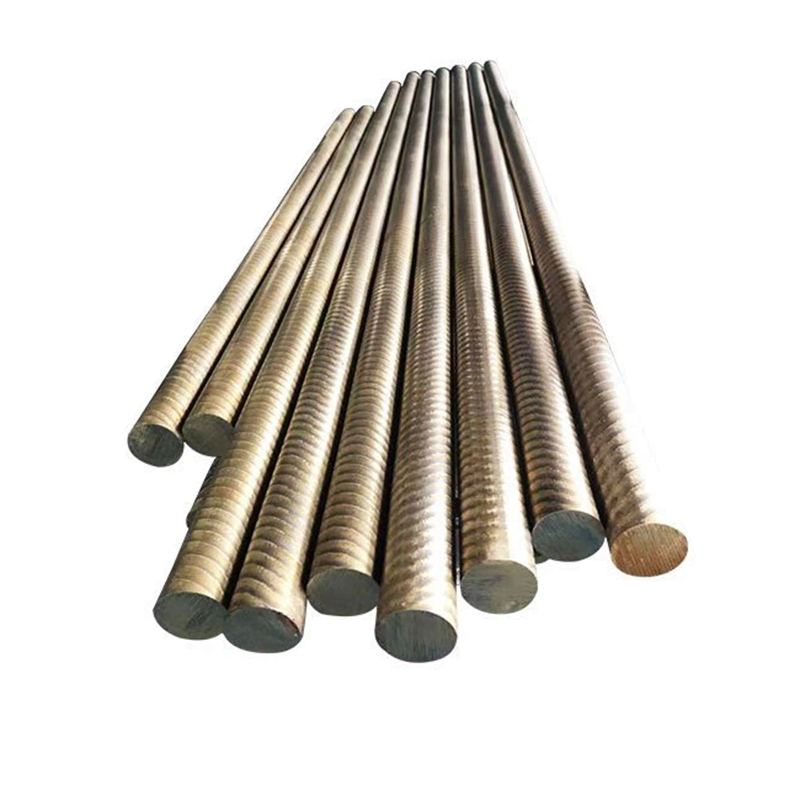
In the world of mechanical engineering, selecting the right material for bearings is crucial for ensuring optimal performance, longevity, and cost-effectiveness. Aluminum bronze has emerged as a popular choice for many bearing applications, offering a unique balance of desirable properties and reasonable cost. This article explores the use of aluminum bronze in mechanical bearings, examining its performance characteristics and how it measures up in terms of cost-effectiveness.
알루미늄 청동의 이해
Aluminum bronze is a family of copper-based alloys that contain aluminum as the primary alloying element, often with additional elements such as iron, nickel, and manganese. These alloys are known for their:
- 고강도
- 우수한 내식성
- 우수한 내마모성
- 낮은 마찰 특성
- 열 전도성
Aluminum Bronze in Bearing Applications
알루미늄 청동은 다음을 포함한 다양한 베어링 응용 분야에 널리 사용됩니다.
- 일반 베어링 및 부싱
- 스러스트 와셔
- 플레이트 착용
- 기어 베어링
- 중장비의 슬라이딩 요소
이러한 응용 분야에서 인기를 끄는 이유는 까다로운 환경에 적합하게 만드는 고유한 특성 조합 때문입니다.
성능 특성
알루미늄 청동 베어링의 주요 성능 특성을 살펴보겠습니다.
1. 강도와 내구성
알루미늄 청동 베어링은 높은 강도와 우수한 내구성을 제공합니다. 그들은 무거운 하중을 견딜 수 있고 스트레스를 받는 상황에서도 구조적 무결성을 유지할 수 있습니다. 따라서 신뢰성이 중요한 중장비 및 장비의 응용 분야에 적합합니다.
2. 내마모성
알루미늄 청동의 눈에 띄는 특징 중 하나는 탁월한 내마모성입니다. 이 속성은 부품의 수명과 성능에 직접적인 영향을 미치기 때문에 베어링 응용 분야에서 특히 중요합니다. 알루미늄 청동 베어링은 장기간 사용해도 치수 안정성과 표면 마감을 유지하므로 자주 교체할 필요성이 줄어듭니다.
3. 내식성
알루미늄 청동은 특히 해양 및 산업 환경에서 탁월한 내식성을 나타냅니다. 이러한 특성으로 인해 화학 처리 공장이나 해양 장비와 같은 가혹한 조건에 노출되는 베어링에 이상적인 선택이 됩니다.
4. 낮은 마찰계수
알루미늄 청동은 자연적으로 마찰 계수가 낮아 베어링 용도에 유리합니다. 이 특성은 마찰로 인한 에너지 손실을 줄이고 결합 표면의 마모를 최소화하는 데 도움이 됩니다.
5. 열전도율
알루미늄 청동의 우수한 열전도율은 작동 중 발생하는 열을 방출하는 데 도움이 됩니다. 이는 열 축적이 문제가 될 수 있는 고속 또는 고부하 응용 분야에서 특히 유리할 수 있습니다.
비용 고려 사항
알루미늄 청동은 뛰어난 성능 특성을 제공하지만 대체 베어링 재료와 관련하여 비용을 고려하는 것이 중요합니다. 다음은 알루미늄 청동과 몇 가지 일반적인 베어링 재료를 비교한 것입니다.
| 재료 | 상대 비용 | 내마모성 | 내식성 | 힘 |
|---|---|---|---|---|
| 알루미늄 청동 | 보통의 | 훌륭한 | 훌륭한 | 높은 |
| 배빗 | 낮은 | 가난한 | 좋은 | 낮은 |
| 청동 | 보통의 | 좋은 | 좋은 | 보통의 |
| 강철 | 낮은 | 좋은 | 가난한 | 높은 |
| 스테인레스 스틸 | 높은 | 좋은 | 훌륭한 | 높은 |
보시다시피 알루미늄 청동은 비용과 성능 측면에서 균형 잡힌 프로필을 제공합니다. 배빗(Babbitt)이나 표준 강철과 같은 일부 기본 재료보다 가격이 높을 수 있지만 우수한 특성으로 인해 많은 응용 분야에서 추가 비용을 정당화하는 경우가 많습니다.
비용 편익 분석
베어링 용도로 알루미늄 청동을 고려할 때 철저한 비용 편익 분석을 수행하는 것이 필수적입니다. 고려해야 할 몇 가지 요소는 다음과 같습니다.
- 초기 비용과 평생 비용: 알루미늄 청동 베어링의 초기 비용은 높을 수 있지만 수명이 길고 유지 관리 필요성이 줄어들어 전체 수명 비용이 낮아질 수 있습니다.
- 성능 요구 사항: 고성능이 중요한 응용 분야에서는 알루미늄 청동의 우수한 특성이 초기 비용보다 더 중요할 수 있습니다.
- 환경적 요인: In corrosive or high-wear environments, the durability of aluminum bronze can lead to significant cost savings over time.
- Downtime Costs: The longer lifespan and reliability of aluminum bronze bearings can reduce costly downtime in industrial applications.
- 에너지 효율: The low friction coefficient of aluminum bronze can contribute to energy savings in certain applications, offsetting the higher material cost.
Application Examples
To illustrate the balance between performance and cost, let’s look at two common applications:
Marine Propeller Shaft Bearings
In this application, the corrosion resistance and wear properties of aluminum bronze make it an excellent choice despite its higher cost. The harsh marine environment justifies the use of a more expensive but durable material.
Industrial Pump Bearings
For pump bearings in a chemical processing plant, the corrosion resistance and strength of aluminum bronze can significantly extend the service life of the bearings. The higher initial cost is offset by reduced maintenance and replacement frequency.
결론
Aluminum bronze bearings offer a compelling balance of performance and cost for many mechanical applications. While they may have a higher initial cost compared to some alternatives, their excellent wear resistance, corrosion resistance, and overall durability often result in lower long-term costs and improved reliability.
When considering aluminum bronze for bearing applications, it’s crucial to evaluate the specific requirements of the application, including operating conditions, performance needs, and long-term cost implications. In many cases, particularly in demanding environments or critical applications, the superior properties of aluminum bronze can justify its higher initial cost, providing an optimal balance between performance and overall economic value.
As with any engineering decision, the choice of bearing material should be made based on a comprehensive analysis of all relevant factors, including material properties, application requirements, and both short-term and long-term economic considerations.