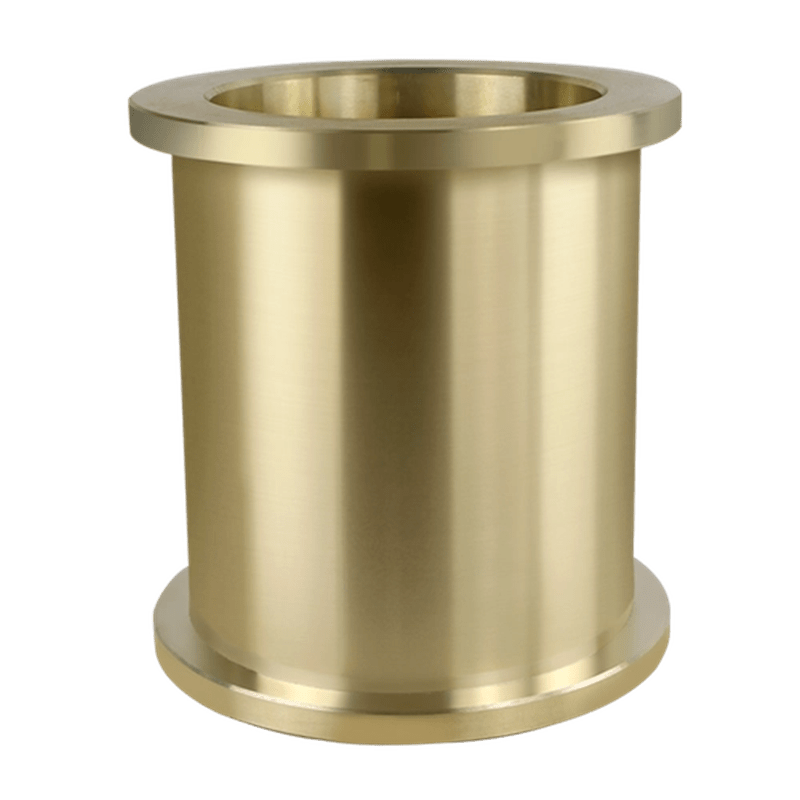
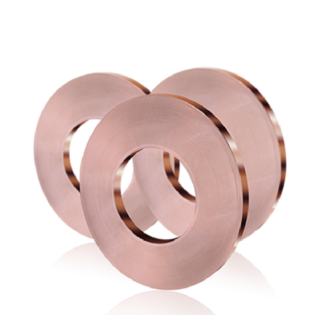
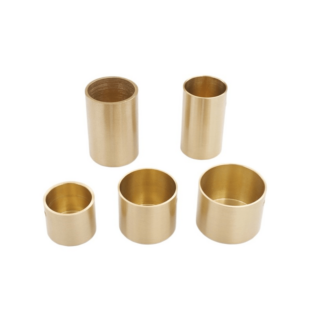
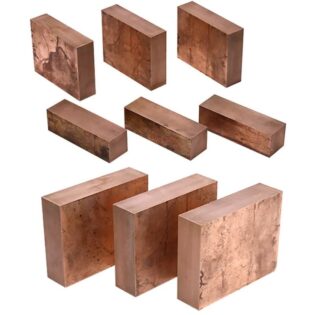
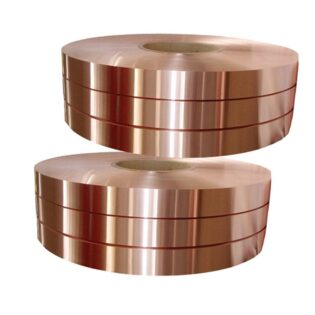
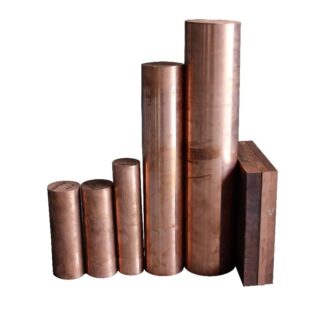
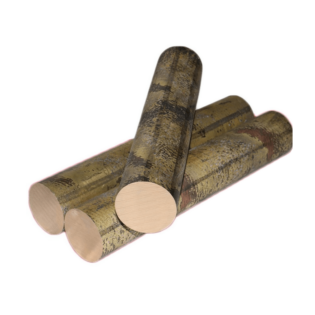
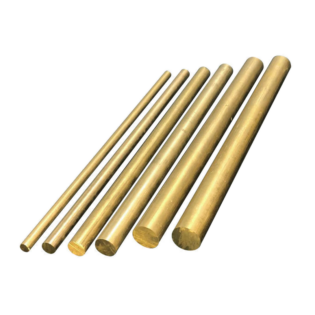
AMS 4880-C95510 Nickel Aluminum Bronze Product Introduction
Komposisi kimia
| Elemen | Percentage (%) | Role in the Alloy |
|---|
| Dengan | 78.00 min | Primary constituent, provides base structure and properties |
| Sn | 0.20 max | Improves corrosion resistance and strength |
| Zn | 0.30 max | Enhances strength and acts as a deoxidizer |
| Fe | 2.00-3.50 | Refines grain structure and increases strength |
| Ni | 4.50-5.50 | Improves corrosion resistance and mechanical properties |
| Al | 9.70-10.90 | Forms intermetallic compounds, enhancing strength and wear resistance |
| M N | 1.50 max | Improves strength and deoxidizes the alloy |
Note: Cu + sum of named elements, 99.8% min. Ni value includes Co. Unless otherwise noted, single values represent maximums.
Peralatan mekanis
| Property | Castings <4.0, Heat Treated | Castings 4.0+, Heat Treated |
|---|
| Tensile strength, min | 105.0 ksi (724 MPa) | 95.0 ksi (655 MPa) |
| Yield strength (0.2% Offset), min | 62.5 ksi (431 MPa) | 56.0 ksi (386 MPa) |
| Elongation in 4D, min | 9% | 9% |
| Kekerasan Brinell | 192 to 248 BHN | 192 to 248 BHN |
Performance at Different Temperatures
| Temperature Range | Performance Characteristics |
|---|
| Low Temperatures (-50°C to 0°C) | Maintains good ductility and toughness |
| Room Temperature (20°C to 25°C) | Optimal balance of strength and ductility |
| Moderate Temperatures (100°C to 200°C) | Retains good hardness and wear resistance |
| Elevated Temperatures (200°C to 300°C) | Slight decrease in strength, but maintains good corrosion resistance |
| High Temperatures (300°C to 400°C) | Reduced mechanical properties, but still usable in some applications |
Industry Applications
| Industry Sector | Specific Applications |
|---|
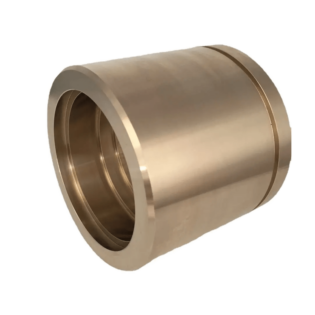
| luar angkasa | Landing gear bushings, bearings in aircraft structures |
| Marine | Propellers, pump impellers, valve components in seawater systems |
| Oil and Gas | Offshore platform components, subsea equipment |
| Otomotif | Bushings in suspension systems, gearbox components |
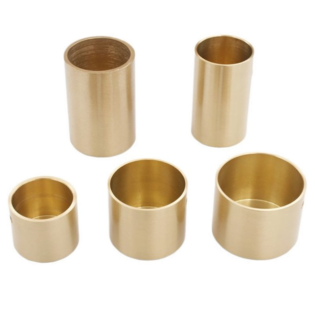
| Mesin Industri | Wear plates, bushings in heavy machinery |
| Mining | Pump components, conveyor system parts |
| Power Generation | Turbine components, valve seats in power plants |
Shape and Size Availability
| Membentuk | Size Range | adalah Baja Struktural Kekuatan Tinggi Paduan Rendah Standar GB Cina |
|---|
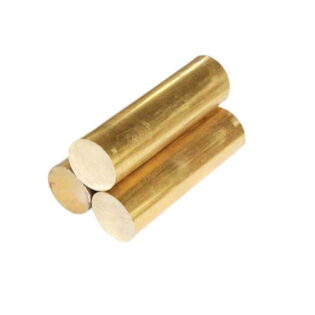
| Solids | 1/2″ to 9″ O.D. | - |
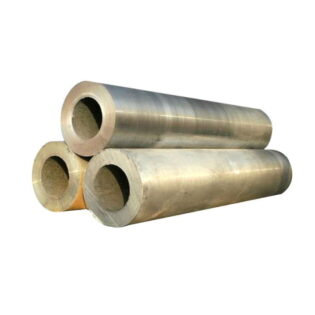
| tabung | 1 1/8″ to 13″ O.D. | Consult mill for wall thickness |
| Rectangles | Up to 15″ | - |
| Standard lengths | 24″ | Consult mill for other lengths |
| Bar Stock | Various diameters | Available in round, hexagonal, and square shapes |
| Piring | Up to 6″ thick | Width and length vary by thickness |
| tempa | Custom sizes | Made to order based on specifications |
Production Standards
| Standar | Keterangan |
|---|
| AMS 4880 | Aerospace Material Specification for Nickel Aluminum Bronze |
| ASTM B150 | Standard Specification for Aluminum Bronze Rod, Bar, and Shapes |
| ASTM B171 | Standard Specification for Copper-Alloy Plate and Sheet for Pressure Vessels, Condensers, and Heat Exchangers |
| SAE J461 | Wrought Copper and Copper Alloy Heat Exchanger Tube |
| MIL-B-21230 | Military Specification for Bronze, Aluminum |
Standards and Corresponding Grades in Different Countries
| Country/Region | Standard/Grade | Equivalent Designation |
|---|
| Amerika Serikat | AMS 4880-C95510 | UNS C95510 |
| Eropa | EN 1982-CC333G | CuAl10Ni5Fe4 |
| Jepang | JIS H5120-CAC703 | - |
| Cina | GB/T 5231-QAl9-4 | - |
| Rusia | GOST 493-79 Grade BrA9Zh4N4 | - |
| di mana bahan mulai tipis dan menarik seperti gula-gula | IS 3091 Grade 2 | - |
| Australia | AS 2074-CA953 | - |
Welding, Processing, Polishing, Heat Treatment, Cold Processing
Pengelasan
| Welding Method | Kesesuaian | adalah Baja Struktural Kekuatan Tinggi Paduan Rendah Standar GB Cina |
|---|
| Gas Tungsten Arc Welding (GTAW/TIG) | Bagus sekali | Preferred method for high-quality welds |
| Gas Metal Arc Welding (GMAW/MIG) | Bagus | Suitable for larger components |
| Shielded Metal Arc Welding (SMAW) | Adil | Can be used but not preferred |
| Electron Beam Welding | Bagus sekali | For precision welding in aerospace applications |
| Friction Stir Welding | Bagus | Emerging method for solid-state joining |
Pengolahan
| Processing Method | Peringkat Kemampuan Mesin | adalah Baja Struktural Kekuatan Tinggi Paduan Rendah Standar GB Cina |
|---|
| Memutar | 50 (0-100 scale) | Use carbide tools for best results |
| Penggilingan | 50 (0-100 scale) | Moderate cutting speeds recommended |
| Pengeboran | 50 (0-100 scale) | Use high-speed steel or carbide drills |
| Grinding | Bagus | Suitable for achieving tight tolerances |
| Electrical Discharge Machining (EDM) | Bagus sekali | For complex shapes and profiles |
pemolesan
| Polishing Method | Finish Achievable | adalah Baja Struktural Kekuatan Tinggi Paduan Rendah Standar GB Cina |
|---|
| Mechanical Polishing | Mirror finish | Use progressively finer abrasives |
| Electro-polishing | High luster | Suitable for complex geometries |
| Buffing | High shine | Final step for decorative applications |
Perawatan panas
| Heat Treatment Process | Temperature Range | Purpose |
|---|
| Solution Annealing | 870-900°C | Homogenize microstructure |
| pendinginan | Rapid cooling to room temperature | Increase strength and hardness |
| Aging | 350-400°C for 2-4 hours | Improve mechanical properties |
| Pelepas stres | 350-400°C for 1-2 hours | Reduce internal stresses |
Cold Processing
| Cold Processing Method | Effect on Material | Aplikasi |
|---|
| Cold Rolling | Increases strength and hardness | Sheet and strip production |
| Cold Drawing | Improves surface finish and dimensional accuracy | Wire and tube production |
| Penempaan Dingin | Enhances mechanical properties | Near-net shape components |
Advantages and Disadvantages of Materials
Keuntungan
| Keuntungan | Keterangan |
|---|
| Kekuatan tinggi | Excellent tensile and yield strength compared to many other copper alloys |
| Ketahanan Aus | Superior resistance to abrasion and galling |
| Tahan korosi | Good resistance to seawater and many chemicals |
| Konduktivitas termal | Better than stainless steels, suitable for heat exchange applications |
| Non-sparking | Safe for use in explosive environments |
| Low Magnetic Permeability | Suitable for applications requiring non-magnetic materials |
Metode pemotongan
| Disadvantage | Keterangan |
|---|
| Cost | More expensive than simpler copper alloys or steels |
| Weight | Heavier than aluminum alloys, which may be a concern in some applications |
| Complex Processing | Requires careful control during casting and heat treatment |
| Limited Ductility | Less ductile than pure copper or some other copper alloys |
| Potential for Stress Corrosion Cracking | Can occur under certain environmental conditions |
Similar Products and Comparison
Similar Nickel Aluminum Bronze Alloys
| Alloy Designation | Komposisi kimia | Key Differences |
|---|
| C95800 | Cu-9Al-4Fe-4Ni | Higher iron content, slightly lower strength |
| C95700 | Cu-11Al-3Fe-5Ni | Higher aluminum content, increased hardness |
| C95400 | Cu-11Al-4Fe | No nickel, lower corrosion resistance |
Comparison with Other Material Classes
| Bahan | Advantages over C95510 | Disadvantages compared to C95510 |
|---|
| Stainless Steel 316 | Lower cost, higher availability | Lower thermal conductivity, higher weight |
| Aluminum Bronze (e.g., C95400) | Lower cost, easier to cast | Lower strength and corrosion resistance |
| Phosphor Bronze | Better electrical conductivity | Lower strength and wear resistance |
| Titanium Alloys | Lower density, higher strength-to-weight ratio | Much higher cost, more difficult to machine |
Detailed Comparison Table
| Property | AMS 4880-C95510 | Stainless Steel 316 | Aluminum Bronze C95400 | Titanium Grade 5 (Ti-6Al-4V) |
|---|
| Tensile Strength (MPa) | 655-724 | 515-690 | 586-758 | 895-930 |
| Yield Strength (MPa) | 386-431 | 205-310 | 241-379 | 828-910 |
| Elongation (%) | 9 (min) | 40 | 12 | 10-15 |
| Density (g/cm³) | 7.64 | 8.00 | 7.45 | 4.43 |
| Thermal Conductivity (W/m·K) | 42 | 16.3 | 59 | 6.7 |
| Corrosion Resistance in Seawater | Bagus sekali | Bagus sekali | Bagus | Bagus sekali |
| Machinability (0-100 scale) | 50 | 50 | 60 | 30 |
| Relative Cost | High | Moderate | Moderate | Very High |
Additional Properties and Characteristics
| Property | Nilai | Units |
|---|
| Resistivitas Listrik | 14.4 | µΩ·cm |
| Specific Heat Capacity | 0.375 | J/g·°C |
| Rentang lebur | 1030-1060 | °C |
| Modulus Elastisitas | 110-120 | IPK |
| Poisson’s Ratio | 0.33 | - |
| Fatigue Strength (10⁷ cycles) | 207-241 | MPa |
| Damping Capacity | Moderate | - |
Environmental and Recycling Considerations
| Aspect | Keterangan |
|---|
| Recyclability | Highly recyclable, can be remelted and reused |
| Environmental Impact | Lower energy requirement for recycling compared to primary production |
| Toxicity | Non-toxic in solid form, but dust and fumes during processing should be controlled |
| End-of-Life | Can be collected and recycled through established metal recycling streams |
Quality Control and Testing Methods
| Test Method | Purpose | Standar |
|---|
| Tensile Testing | Determine strength and ductility | ASTM E8 |
| Hardness Testing | Measure surface hardness | ASTM E10 (Brinell) |
| Chemical Analysis | Verify composition | ASTM E478 |
| Ultrasonic Testing | Detect internal defects | ASTM E114 |
| Radiographic Testing | Inspect for porosity and inclusions | ASTM E1742 |
| Corrosion Testing | Evaluate corrosion resistance | ASTM G31 |
Storage and Handling Recommendations
| Aspect | Recommendation |
|---|
| Storage Environment | Dry, clean area away from chemicals |
| Handling | Use appropriate lifting equipment for heavy pieces |
| Protection | Apply protective coatings or wraps to prevent surface damage |
| Inventory Management | Use FIFO (First In, First Out) system to manage stock |
| Safety Precautions | Wear appropriate PPE when handling, especially during cutting or machining |
Typical Lead Times and Pricing Factors
| Factor | Keterangan |
|---|
| Standard Stock Sizes | Usually available with 1-2 week lead time |
| Custom Sizes/Shapes | May require 4-8 weeks lead time |
| Quantity | Larger orders may have longer lead times but better pricing |
| Market Conditions | Copper and nickel prices can significantly affect final cost |
| Certification Requirements | Special certifications may increase lead time and cost |
Conclusion
AMS 4880-C95510 Nickel Aluminum Bronze is a high-performance alloy that offers an excellent combination of strength, wear resistance, and corrosion resistance. Its versatility makes it suitable for a wide range of applications across various industries, particularly in marine and aerospace environments. While it may have a higher initial cost compared to some other materials, its long-term performance and durability often result in lower lifecycle costs for critical components. The material’s ability to maintain its properties under diverse operating conditions, coupled with its non-sparking characteristics, makes it a preferred choice for safety-critical applications. As with any specialized material, proper consideration should be given to design, processing, and maintenance to fully leverage its capabilities and ensure optimal performance throughout its service life.