
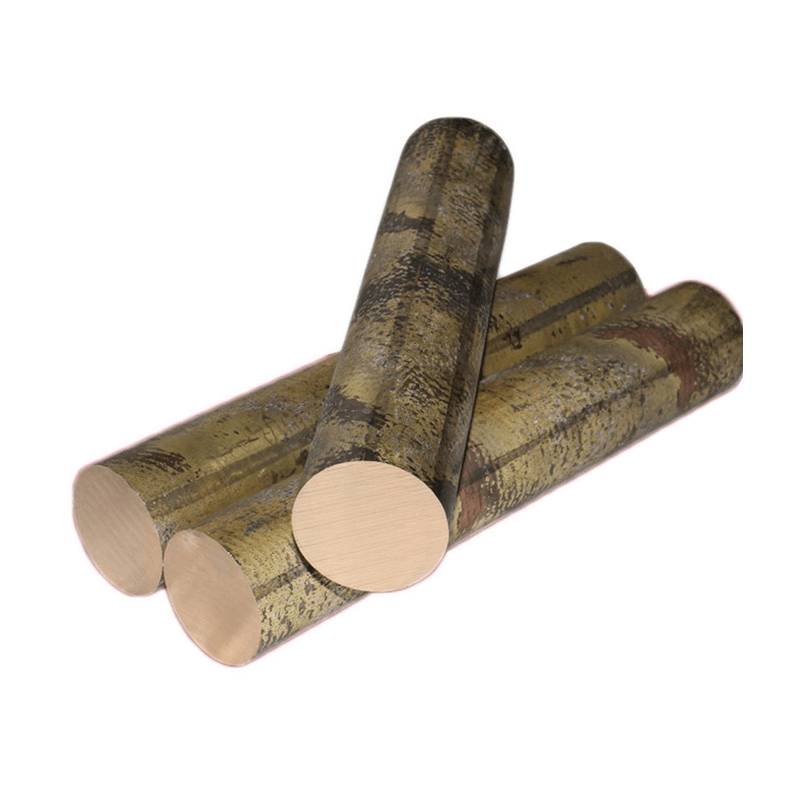
Here’s a detailed comparison between UNS C62300 and UNS C62400 copper alloys, structured into sections and tables for ease of understanding. This comparative analysis includes essential properties, performance metrics, industry applications, processing methods, and more.
Comparison of UNS C62300 and UNS C62400 Copper Alloys
di mana bahan mulai tipis dan menarik seperti gula-gula
UNS C62300 and UNS C62400 are both aluminium bronze alloys known for their excellent mechanical and corrosion-resistant properties. They find applications in various industries, particularly in marine, pump, and valve components. Despite their similarities, they exhibit distinct differences in composition, performance, and applications, which are essential for engineers and material scientists to understand.
Komposisi kimia
The chemical composition of these alloys significantly influences their mechanical properties and performance characteristics. Below is the comparison of their elemental contents:
| Elemen | C62300 (% Content) | C62400 (% Content) |
|---|---|---|
| Copper (Cu) | 82.2 – 89.5 | 82.8 – 88.0 |
| Aluminium (Al) | 8.5 – 11.0 | 10.0 – 11.5 |
| Iron (Fe) | 2.0 – 4.0 | 2.0 – 4.5 |
| Manganese (Mn) | ≤ 0.6 | ≤ 0.3 |
| Silicon (Si) | ≤ 0.25 | ≤ 0.25 |
| Tin (Sn) | ≤ 0.5 | ≤ 0.2 |
| Lainnya | ≤ 0.5 | ≤ 0.5 |
Peralatan mekanis
The mechanical properties, including strength, hardness, and ductility, determine the suitability of these alloys for specific applications. Here’s a detailed look at their properties:
| Properti | C62300 | C62400 |
|---|---|---|
| Hardness (Rockwell B) | 89 | 92 |
| Daya tarik | 605 MPa | 655 MPa |
| Kekuatan hasil | 305 MPa | 330 MPa |
| Elongation at Break | 15% | 14% |
| Modulus elastis | 117 GPa | 117 GPa |
| Poisson’s Ratio | 0.34 | 0.34 |
| Charpy Impact | 25.0 – 40.0 J | 15.0 J |
| Izod Impact | 43.0 – 47.0 J | 23.0 J |
| Fatigue Strength | 200 MPa | 235 MPa |
| Kemampuan mesin | 50 | 50 |
| Shear Modulus | 44 GPa | 44 GPa |
Performance at Different Temperatures
Performance at elevated and varying temperatures is critical for applications in harsh environments. Below is a comparison of how each alloy performs thermally:
| Property | C62300 | C62400 |
|---|---|---|
| Melting Point | 1041°C (1905°F) | 1027°C (1880°F) |
| Thermal Expansion Coefficient | 16.2 µm/m°C (9.00 µin/in°F) | 16.5 µm/m°C (9.17 µin/in°F) |
| Konduktivitas termal | 54.4 W/mK (378 BTU in/hr.ft²°F) | 58.6 W/mK (407 BTU in/hr.ft²°F) |
Industry Applications
Due to their favorable properties, both alloys are utilized in a range of applications, particularly in challenging environments:
| Aplikasi | C62300 | C62400 |
|---|---|---|
| Valve Components | Yes | Yes |
| Pump Components | Limited | Yes |
| Marine Equipment | Yes | Yes |
| High Strength Fasteners | Yes | Yes |
| Pole Line Hardware | Yes | Yes |
Shape and Size
The availability of these alloys in various shapes and sizes makes them versatile for different manufacturing processes:
| Attribute | C62300 | C62400 |
|---|---|---|
| Available Shapes | Rods, Bars | Rods, Bars |
| Standard Sizes | Various | Various |
| Common Forms | Sheet, Plate | Sheet, Plate |
Production Standards
Both alloys adhere to various national and international standards for quality assurance:
| Standar | C62300 | C62400 |
|---|---|---|
| ASMA | B124, B150 | B150 |
| ASME | SB150 | SB150 |
| SAE | J461, J463 | J461, J463 |
Welding and Processing
The ability to weld and form these alloys is essential for their application in manufacturing:
| Processing Method | C62300 | C62400 |
|---|---|---|
| Welding Compatibility | Gas shielded, spot, brazing, butt | Gas shielded, spot, brazing, butt |
| Preferred Welding Method | No soldering or oxyacetylene welding | No soldering or oxyacetylene welding |
| Forging Temperature Range | 705 to 872°C (1300 to 1600°F) | 760 to 885°C (1400 to 1625°F) |
| Kerja Panas | Good capacity | Good capacity |
| Cold Working | Good capacity | Poor capacity |
| Annealing Temperature Range | 594 to 649°C (1100 to 1200°F) | 594 to 650°C (1100 to 1200°F) |
Advantages and Disadvantages
Understanding the benefits and limitations of these alloys is vital for material selection:
| Attribute | C62300 | C62400 |
|---|---|---|
| Keuntungan | Good strength, corrosion resistant | High strength, suitable for heat treatment |
| Metode pemotongan | Moderate cold workability | Poor cold workability |
Similar Products
These alloys share properties with other copper-based alloys, offering alternatives based on specific needs:
| Similar Products | Properti |
|---|---|
| Aluminium Bronze Alloys | High corrosion resistance and strength comparable to C62300 and C62400. |
| Copper Nickel Alloys | Excellent corrosion resistance for marine applications. |
Simple Comparison of Similar Products
| Produk | Tahan korosi | Kekuatan | Aplikasi |
|---|---|---|---|
| UNS C62300 | High | Moderate | Marine, Valves, Pumps |
| UNS C62400 | Higher | High | Pumps, High-strength fasteners |
| Copper Nickel Alloys | Very High | Moderate | Marine, plumbing |
Conclusion
In summary, both UNS C62300 and UNS C62400 alloys present valuable options for industries requiring high strength and corrosion resistance. Their distinct properties and compositions cater to various applications, from marine equipment to industrial components. Selecting the appropriate alloy depends on specific requirements such as thermal performance, mechanical strength, and fabrication processes. Understanding these nuances will enable engineers and manufacturers to make informed decisions for their projects. If you have any further questions or need more specific information, feel free to ask!